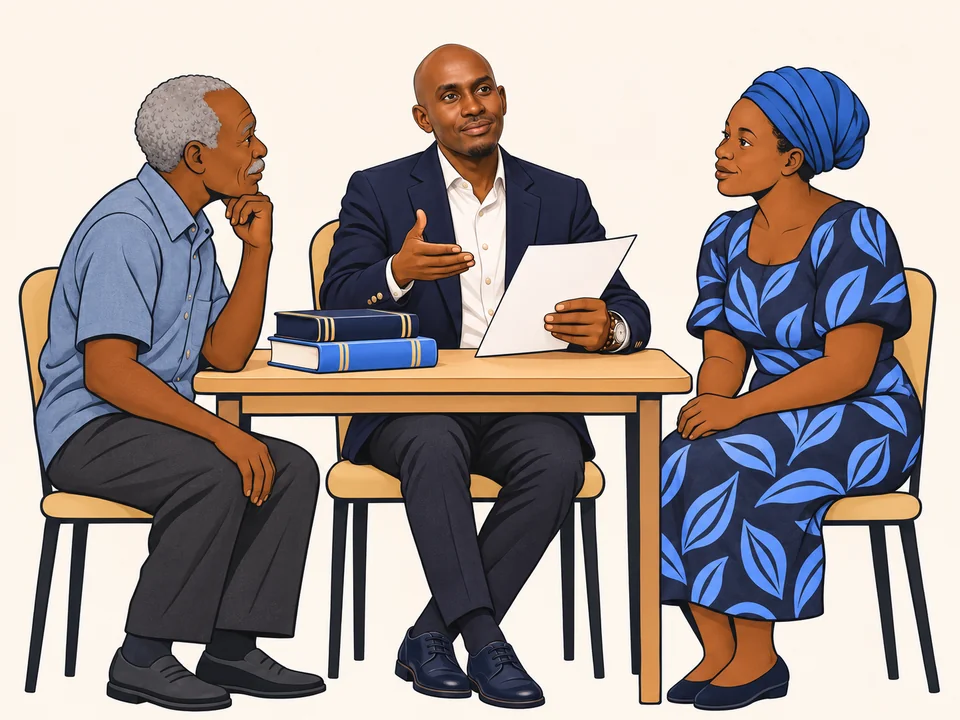
Finding an Advocate early
A strong profession should translate its strength into service for the country.
Does the public understand what we do as Advocates?
Many people seek an Advocate after a dispute has already become expensive, a business relationship has broken down, property has been lost, a family disagreement has escalated or criminal charges have been brought.
Early legal advice can prevent some of these problems. It can help a family plan, help a business manage risk, help a person understand a contract and help a citizen protect their rights before a dispute grows.
We should encourage individuals, families and businesses to build relationships with trusted Advocates.
Many people have a doctor, an accountant, a banker or another professional they call when they need advice. They should also know an Advocate they can consult before making an important legal decision.
ULS will revive and expand and support initiatives like Simply Legal and Puliidawo, meaning “your lawyer.”
These will help members of the public find verified Advocates according to location, area of practice, language and the type of assistance required. Regional Advocates and smaller firms will be included so that the platform creates opportunities across the country.
Such platforms will also help the public understand how to instruct an Advocate. They will provide simple information on engagement letters, fees, confidentiality, professional duties, complaints and what a client should expect from the lawyer-client relationship.
They should become a trusted connection between the public and the profession.
Public legal education
ULS will also establish a coordinated public legal-education programme through the specialised clusters.
Each cluster will identify the legal issues that regularly affect the public and develop simple, accurate information on them. These may include land transactions, succession, employment, family matters, business registration, contracts, taxation, consumer protection, digital rights, criminal procedure and access to public services.
This information will be shared through radio, television, social media, community meetings and partnerships with professional, business and civil-society organisations.
Regional ULS representatives will help identify the legal questions affecting communities in their areas. Public education will be delivered in accessible language and, where possible, in the languages spoken by the communities being served.
Advocates should be part of the public conversation about law before a crisis occurs.
We will organise regular Ask an Advocate sessions through radio, online platforms, regional outreach and public events. Members of the public will be able to ask general legal questions, understand when professional advice is required and learn how to find an Advocate.
This programme will also help the public understand the contribution Advocates make to businesses, families, institutions and the administration of justice.
Pro Bono Day and independent legal aid
Pride in the profession grows when the public can see the value of our work.
ULS will recognise Advocates who serve communities, undertake pro bono work, contribute to public legal education and use their expertise to advance causes that matter to the country.
We will revive Pro Bono Day as a visible national expression of the profession’s commitment to service. Pro Bono Day will involve regional legal clinics, public education, referrals, professional partnerships and recognition of members who have given their time and expertise.
ULS will continue to pursue sustainable and independent legal-aid structures. Legal aid requires predictable funding, professional standards and a legal framework that protects its independence and reaches people across the country.
We will work with development partners, Government, civil-society organisations, universities, firms and individual Advocates to expand legal-aid services and strengthen the institutions that provide them.
Public-interest litigation
Our public-interest work should also develop another generation of Advocates.
Through the ULS Talent and Practice Exposure Programme, young Advocates will work with senior practitioners and specialised clusters on strategic public-interest litigation and other projects that serve communities.
They will learn how public-interest matters are identified, researched, developed, funded and argued. Communities will benefit from organised professional expertise, and young Advocates will develop the skills and judgment required for this work.
ULS will maintain the independence to intervene on constitutional, rule-of-law and public-interest matters. These interventions will be guided by law, evidence, consultation and the professional mandate of the Society.
Professional standards and complaints
Access to justice also depends on trust.
Members of the public should be able to confirm whether a person is an Advocate, understand how to raise a concern and receive a timely response when professional standards are breached.
ULS will maintain an accessible and current directory of Advocates and law firms. We will improve public information on complaints, professional discipline and the standards expected of both Advocates and clients.
The public should see ULS as an institution that protects the profession, upholds standards and helps people find legal assistance.
An empowered Uganda Law Society should make legal knowledge easier to understand, professional advice easier to find and justice easier to reach.
That is how the strength of the profession becomes service to the country.